

Adapt quickly to new tools, expectations, and ways of working.
Skills Development
Moratuwa Campus continues to achieve outstanding academic results, but organisations consistently report that technical knowledge alone is not enough to thrive in modern workplaces. What distinguishes high performing graduates from merely competent ones is their ability to demonstrate a portfolio of practical, transferable life skills: the behaviours, mindsets, and interpersonal capabilities that enable them to contribute meaningfully from day one.
Being able to articulate these skills during recruitment is therefore not just helpful, it is a decisive factor in showing employers how a candidate will add real, measurable value.

Life Skills Matter
Employers increasingly operate in environments defined by rapid technological change, cross functional collaboration, and constant problem solving. In this context, organisations prioritise graduates who can
Communicate clearly with colleagues, clients, and stakeholders.
Work effectively in teams, especially diverse, multidisciplinary ones.
Manage their time and workload without constant supervision.
Solve problems creatively, drawing on both analytical thinking and practical judgement.
Demonstrate resilience, especially when facing ambiguity, setbacks, or competing priorities.
These skills are not "nice to have". They directly influence productivity, team cohesion, and organisational performance. Research from the World Economic Forum, the Chartered Institute of Personnel and Development (CIPD), and major graduate employers consistently shows that soft skills now account for a significant proportion of hiring decisions, often outweighing technical expertise for entry level roles.
What Employers Value
"Between now and 2027, 60% of workers will need retraining due to global transformation and macrotrends." That's one of many findings in the World Economic Forum's (WEF) 2023 Future of Jobs Report. The report identifies the following top 10 life skills required by employers.
Analytical thinking
Structured reasoning
Creative thinking
Novel solutions
Quality control
Standards & consistency
Motivation and self-awareness
Self-direction
Resilience, flexibility and agility
Adaptability under pressure
Curiosity and lifelong learning
Continuous growth
Technological literacy
Digital fluency
Dependability and attention to detail
Reliability & precision
Empathy and active listening
Interpersonal insight
Leadership and social influence
Influence & ownership
Building for the future
The skills identified in the above WEF report will not be actively developed by the SPARK programme, but it is expected that some of these qualities will develop naturally. It is believed that development of these skills will allow a better "class" of undergraduates to enter the employment market.
The students will manage:
SPARK Challenge Solutions
Managing teams, resources, ideas, training resources, and timescales across challenge delivery.
Programme Events
Scheduling sessions, shaping content, and coordinating the supporting marketing activity.
Facebook Pages
Planning posts and maintaining a steady stream of audience-facing content.
Raspberry JAMs
Handling scheduling, broadcasts, content planning, and speaker coordination.
Website
Leading design decisions and managing the content published on the site.
Training Resources
The SPARK Project will deliver a training programme built around an eight stage entrepreneurship development journey. The core message is that the programme will run a structured, progressive, hybrid (physical + online) programme that takes university SPARK Challenge teams from problem understanding all the way to a final business pitch. The programme undertakes a significant number of face to face and online workshops in support of teams developing solutions to address the challenge set by the programme.
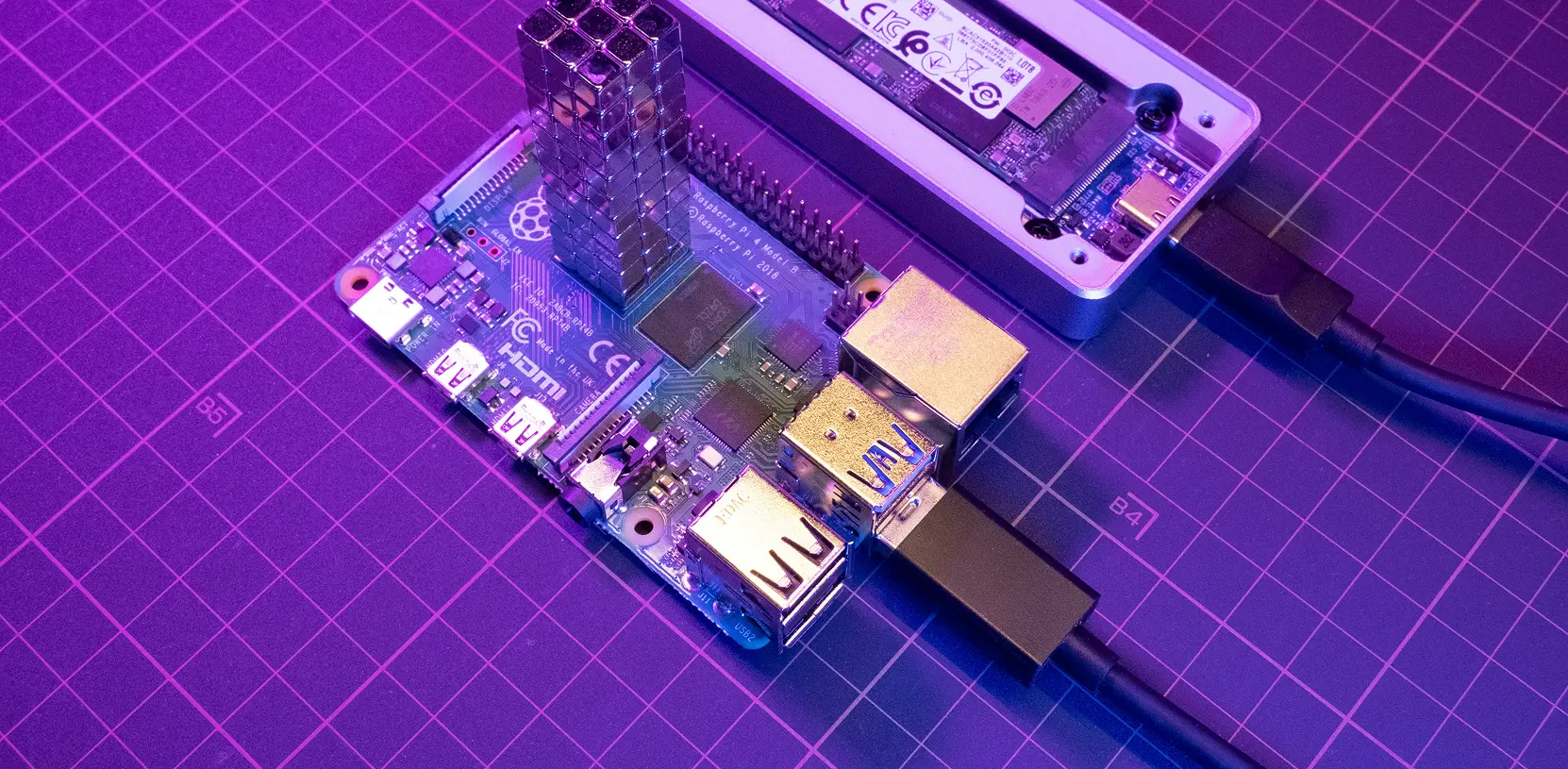
Raspberry Pi hardware setup used in training sessions
01
Team Building & Orientation
Form multidisciplinary teams, define shared goals, and gain a clear understanding of the challenge and its context.
02
Problem Breakdown & Ideation
Analyze the problem in depth, explore potential solutions, and generate viable business ideas using the BASE model framework.
03
Validation & Assessment
Evaluate the feasibility of the proposed idea through validation techniques, including market testing and SWOT analysis.
04
Value Proposition & GTM
Define the value offered to customers, establish SMART goals, and begin developing a basic prototype to bring the idea to life.
05
Operations, Finance & Marketing
Understand the fundamentals of operations, revenue and cost structures, pricing strategies, and introductory marketing principles.
06
Customer & Channels
Identify target audiences, learn strategies to maintain customer satisfaction, and explore effective channels to reach and engage customers.
07
Competition & Growth
Analyze competitors, identify opportunities in the market, and develop strategies for sustainable growth and scaling.
08
Final Pitching
Prepare and deliver a compelling final pitch that clearly communicates the problem, solution, business model, and market potential.
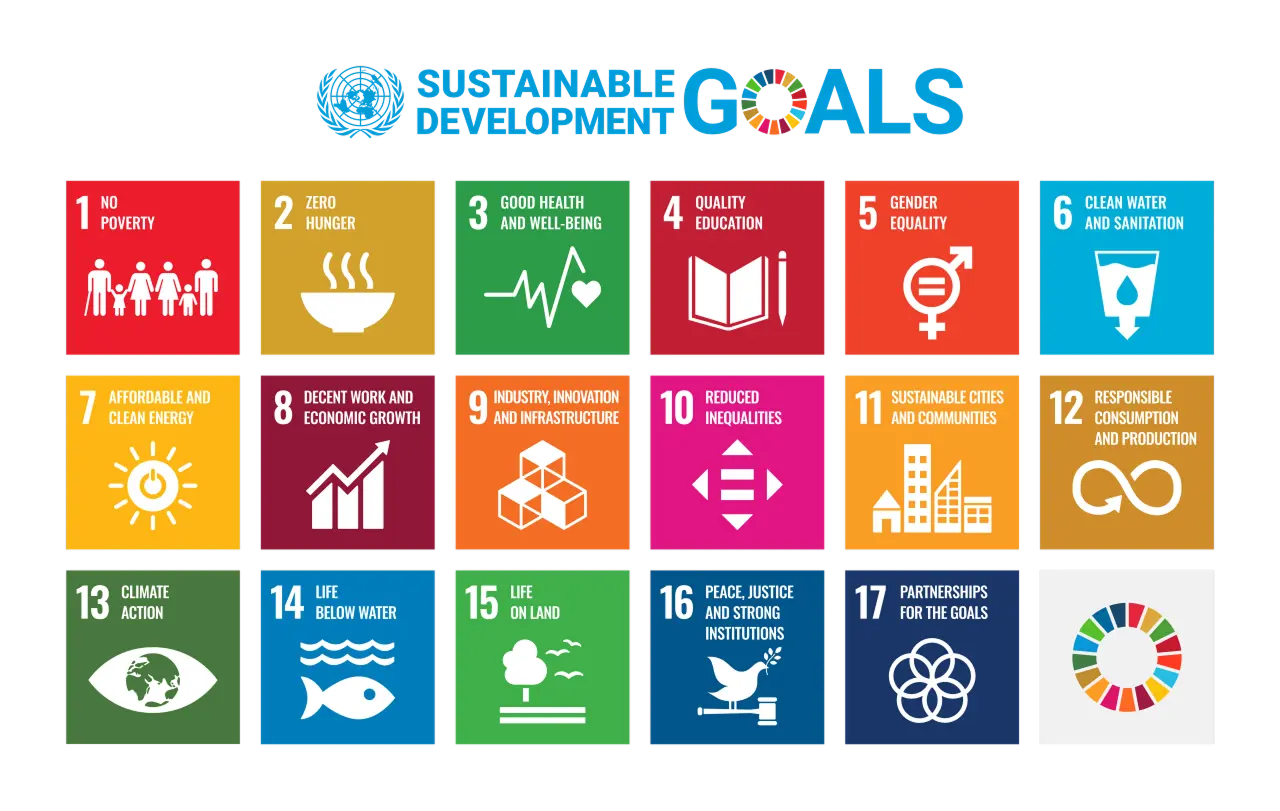
United Nations Sustainable Development Goals
Developing products and services in a socially and environmentally responsible manner is a core principle of the SPARK Challenge programme. The programme provides all teams with access to resources that outline in detail those fundamental principles.
Measuring the programme
The Spark Programme intends to undertake a complete testing and methodological framework for evaluating the SPARK program's impact on students' sustainability mindset, engineering behaviour, and innovation capability.
This methodology being undertaken represents a high-rigour, multi-layered evaluation framework combining psychometrics, group comparison, trend analysis, and structural modelling. It is unusually strong for a university-based program evaluation and positions SPARK Challenge to make credible, evidence-based claims about its impact on engineering students' sustainability mindset and behaviour.
Results of the evaluation will be published as and when available.